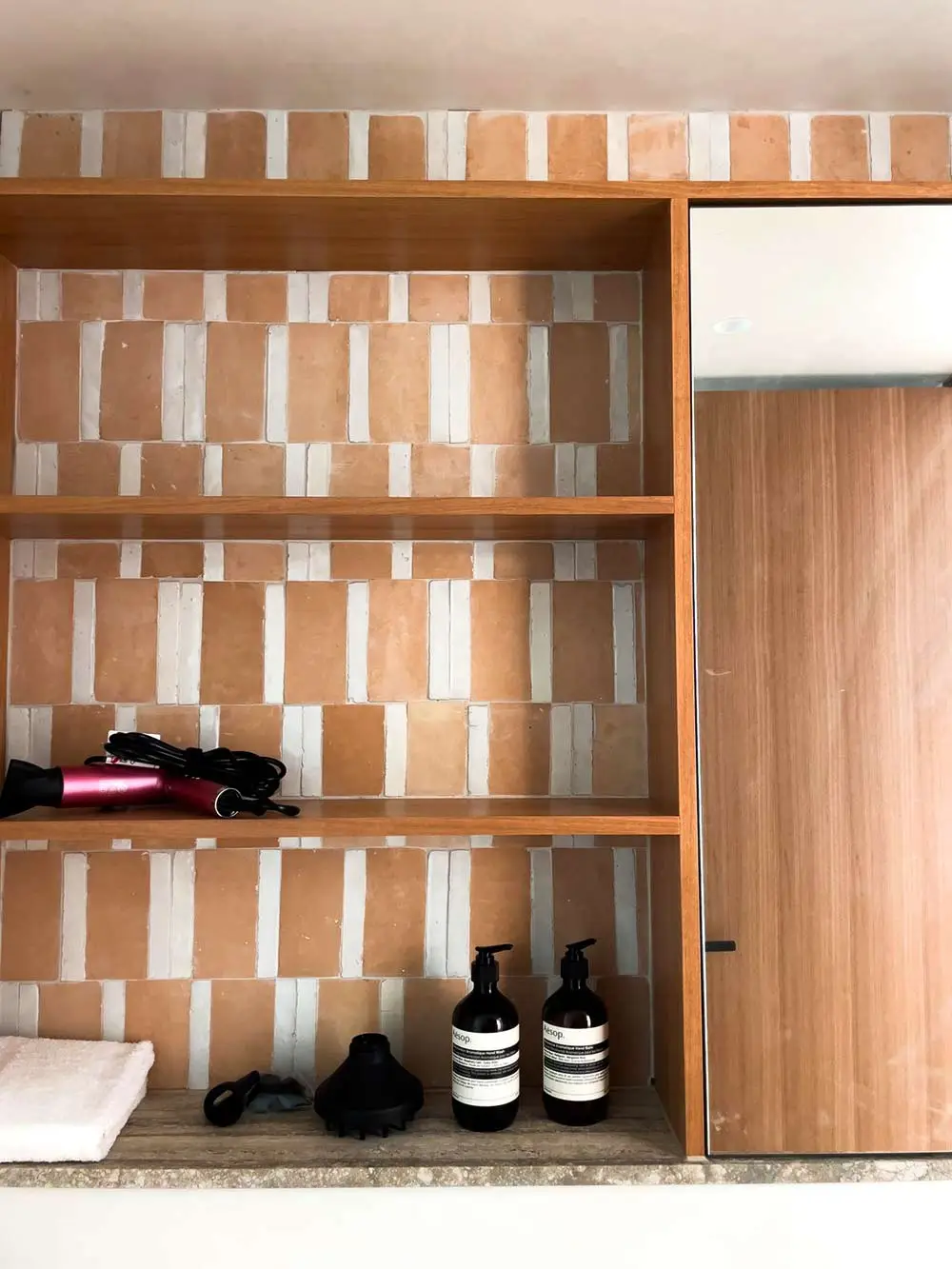
Coastal humidity and salt exposure make bathroom waterproofing Byron Bay projects uniquely challenging. Every wet area requires AS 3740-compliant membrane systems before tiling begins. This guide covers the specific waterproofing requirements, inspection protocols and material choices that protect Byron Bay homes from water damage.
Why Bathroom Waterproofing Byron Bay Requires Coastal-Specific Solutions
Byron Bay’s coastal environment demands specialised waterproofing approaches. Salt-laden air accelerates material degradation. High humidity extends drying times. These factors make standard waterproofing methods insufficient for long-term protection in bathroom waterproofing installations.
The Australian Building Codes Board sets minimum standards through AS 3740. Coastal installations require additional measures. Membrane selection, substrate preparation and detailing must account for environmental stress when planning bathroom waterproofing projects.
Decorated Earth has waterproofed high-profile commercial portfolio including Halcyon House and Raes on Wategoes. These demanding installations demonstrate expertise in moisture management for luxury coastal properties. Proper bathroom waterproofing Byron Bay installations prevent three major failure modes.
Common Waterproofing Failures in Coastal Environments
Water penetration damages timber framing and causes mould growth. Membrane breakdown allows moisture migration into wall cavities. Poor detailing creates leak paths around fixtures and penetrations. Each failure mode requires specific prevention strategies during bathroom waterproofing Byron Bay installation.
AS 3740 Compliance Standards for Bathroom Waterproofing
Australian Standard 3740 defines minimum waterproofing requirements for wet areas. The standard specifies membrane types, installation methods and inspection points. Compliance protects homeowners and ensures building approval for bathroom waterproofing Byron Bay work.
Bathroom waterproofing Byron Bay projects must meet several key requirements. Shower bases require continuous membranes extending 150mm up walls. Floor wastes need membrane integration with drainage systems. Wall junctions demand proper lapping and sealing techniques.
The NSW Fair Trading requires licensed waterproofers for all membrane installations. Licence verification protects homeowners from unqualified work. Only certified professionals understand the nuances of coastal bathroom waterproofing applications.
Membrane System Selection for Coastal Wet Areas
Three membrane types dominate bathroom waterproofing Byron Bay installations. Sheet membranes offer factory-controlled thickness and consistent performance. Liquid membranes provide seamless coverage around complex details. Composite systems combine both approaches for maximum protection.
Sheet membranes suit straightforward layouts with minimal penetrations. Liquid membranes excel in areas with multiple fixtures and irregular surfaces. The best tiler Byron Bay professionals assess each project individually. Material selection depends on substrate condition, layout complexity and budget constraints.
Coastal applications favour UV-stable formulations that resist salt exposure. Premium membranes include antimicrobial additives that prevent mould growth. These specifications matter for bathroom waterproofing Byron Bay longevity in humid environments.
Substrate Preparation Requirements Before Waterproofing
Proper substrate preparation determines membrane adhesion and long-term performance. Surface contamination causes bond failure. Structural movement creates membrane tears. Moisture content affects curing and adhesion chemistry in bathroom waterproofing Byron Bay projects.
Bathroom waterproofing Byron Bay begins with thorough substrate assessment. Concrete slabs require grinding to remove laitance and contaminants. Timber floors need appropriate bracing to limit deflection. Villaboard and cement sheet substrates must be properly fixed and jointed.
Moisture testing prevents premature membrane application. Concrete slabs can retain construction moisture for months. High substrate moisture causes adhesive failure and membrane delamination. Professional bathroom waterproofing Byron Bay installers use calibrated moisture meters before proceeding.
Critical Detailing Points in Wet Area Installations
Internal corners require reinforcing strips before membrane application. External corners need similar treatment to prevent cracking. Penetrations for taps, mixers and waste pipes demand careful sealing. Each detail point represents a potential leak path in bathroom waterproofing Byron Bay work.
Hob details at shower thresholds require stepped membrane application. The membrane must extend under the hob and up both sides. Floor waste integration needs proper lapping sequence to maintain water-tightness. These details separate experienced tiler Ballina and Byron Bay professionals from general contractors.
Wall-to-floor junctions create high-stress zones during building movement. Flexible membrane systems accommodate seasonal expansion and contraction. Rigid membranes crack under stress, creating leak paths. Bathroom waterproofing Byron Bay specifications must account for coastal temperature and humidity cycles.
Inspection and Testing Protocols for Waterproofing Systems
Independent inspection verifies membrane installation before tiling proceeds. Visual inspection identifies application defects and coverage gaps. Flood testing confirms system integrity under actual water exposure. Both methods protect homeowners from concealed defects in bathroom waterproofing Byron Bay installations.
Bathroom waterproofing Byron Bay projects require staged inspections. Pre-membrane inspection verifies substrate preparation and detailing materials. Post-membrane inspection confirms coverage, thickness and detail execution. Final inspection validates flood test results before tile installation approval.
Flood testing involves filling the shower base to hob height. Water remains in place for 24 hours minimum. Inspectors check for moisture migration, membrane delamination and leak paths. Passing flood tests provide documented evidence of system integrity.
Documentation Requirements for Compliance
Photographic records document each installation stage. Images capture substrate condition, membrane application and detail execution. This documentation supports warranty claims and building approval processes. Professional bathroom waterproofing installers maintain comprehensive project records.
Material certification confirms product compliance with Australian Standards. Batch numbers enable traceability if defects emerge. Installation certificates verify licensed waterproofer involvement. These documents form the compliance package for council and certifier review.
Outdoor Shower and Spa Waterproofing Considerations
Outdoor wet areas face intensified environmental exposure. Direct sunlight degrades UV-sensitive membranes. Salt spray accelerates corrosion of metal components. Drainage systems must handle higher water volumes from rain events in Ballina and Byron Bay locations.
Bathroom waterproofing extends to outdoor showers, spa surrounds and pool deck wet areas. These installations require UV-stable membrane formulations. Drainage design must prevent water pooling and structural saturation. Proper falls ensure water flows away from building elements.
Decorated Earth specialises in expert waterproofing for coastal wet areas and outdoor spaces. This expertise proves critical for Byron Bay properties with outdoor entertaining areas. Membrane selection, substrate preparation and drainage integration determine long-term performance in exposed locations.
Balcony and Deck Waterproofing Integration
Balcony waterproofing shares many requirements with bathroom waterproofing Byron Bay installations. Both demand AS 3740 compliance and proper membrane systems. Balconies add complexity through larger surface areas and increased movement potential.
Expansion joints accommodate thermal movement in large deck areas. Membrane systems must bridge these joints without compromising water-tightness. Upstand details at door thresholds prevent water entry to interior spaces. Each detail requires careful execution by experienced tiler Ballina and Byron Bay teams.
Material Durability in High-Humidity Coastal Environments
Coastal bathroom waterproofing demands materials proven in marine environments. Standard products may fail prematurely under salt exposure. Adhesive chemistry must resist moisture-induced bond degradation. Membrane formulations need antimicrobial properties to prevent mould colonisation.
Premium waterproofing systems include crystalline additives that self-seal minor cracks. These technologies provide ongoing protection as buildings settle. Flexible polymer membranes accommodate substrate movement without tearing. Material selection directly impacts system longevity for bathroom waterproofing Byron Bay projects.
The experienced tiler Ballina region and Byron Bay professionals understand local environmental stresses. They specify materials with proven coastal performance records. This knowledge prevents premature failures that plague budget installations in bathroom waterproofing Byron Bay work.
Adhesive and Primer Selection for Coastal Applications
Tile adhesives must bond to waterproofing membranes under humid conditions. Modified polymer adhesives provide superior moisture resistance. Flexible adhesives accommodate substrate movement without tile debonding. Product compatibility between membranes and adhesives ensures system integrity in bathroom waterproofing Byron Bay installations.
Primers prepare substrates for membrane adhesion. They seal porous surfaces and improve bond strength. Coastal bathroom waterproofing Byron Bay applications often require specialised primers for salt-contaminated substrates. Proper priming prevents membrane delamination during service life.
Common Waterproofing Defects and Prevention Strategies
Inadequate membrane coverage creates leak paths at wall-floor junctions. Insufficient upstand height allows water to bypass the membrane. Poor penetration sealing permits moisture entry around pipes and fixtures. Each defect stems from rushed or inexperienced installation in bathroom waterproofing Byron Bay projects.
Bathroom waterproofing failures often trace to substrate preparation shortcuts. Contaminated surfaces prevent proper adhesion. Excessive substrate moisture causes membrane bubbling and delamination. Structural movement cracks rigid membrane systems. Prevention requires thorough preparation and appropriate material selection.
The best tiler Byron Bay teams follow systematic installation protocols. They verify substrate readiness before membrane application. They use reinforcing strips at all stress points. They conduct flood testing before concealing work. These practices eliminate common defect causes in bathroom waterproofing installations.
Identifying Waterproofing Problems Before Tiling
Visual inspection reveals many membrane defects before tiling begins. Pinholes, tears and coverage gaps appear as colour variations. Delamination shows as bubbling or loose areas. Edge lifting indicates adhesion failure. Early detection allows correction without tile removal in bathroom waterproofing Byron Bay work.
Moisture meters detect substrate dampness that threatens membrane adhesion. High readings indicate inadequate drying time or active leaks. Professional bathroom waterproofing Byron Bay installers never proceed over wet substrates. Patience during this phase prevents expensive failures.
Choosing Qualified Waterproofing Professionals in Ballina and Byron Bay
Licence verification protects homeowners from unqualified installers. NSW requires specific waterproofing licences for membrane work. General building licences do not authorise waterproofing installations. Homeowners should request licence numbers and verify them through NSW Fair Trading for bathroom waterproofing projects.
Portfolio review reveals experience with bathroom waterproofing coastal projects. High-profile commercial work demonstrates capability with demanding specifications. Residential portfolios show attention to detail in smaller-scale installations. Both project types require the same compliance standards.
Insurance coverage protects homeowners if defects emerge. Public liability insurance covers property damage during installation. Professional indemnity insurance addresses design and specification errors. Adequate coverage indicates professional operation and financial stability for bathroom waterproofing contractors.
Questions to Ask Waterproofing Contractors
Request details about membrane systems and material brands. Ask about substrate preparation protocols and moisture testing procedures. Inquire about inspection and flood testing practices. Professional bathroom waterproofing Byron Bay installers welcome these questions.
Clarify warranty terms and coverage exclusions. Understand the claims process if problems develop. Verify warranty transferability if you sell the property. Comprehensive warranties indicate installer confidence in their work quality for bathroom waterproofing Byron Bay installations.
Discuss project timelines and weather contingencies. Coastal bathroom waterproofing installations require dry conditions for proper curing. Rain delays can extend project duration. Realistic scheduling accounts for seasonal weather patterns in Ballina and the Byron Bay region.
For expert waterproofing backed by 30 years of coastal experience, contact Decorated Earth. Our licensed team delivers AS 3740-compliant installations for residential and commercial wet areas. We serve Byron Bay, Ballina and the broader Northern Rivers region with proven waterproofing solutions.